Digital Search for Zacharias in the Temple: Uncovering Missing Narratives in the Digital Age
The quest to find comprehensive textual information about specific art historical themes online can often feel like an archaeological dig in the vast digital landscape. While images abound, the accompanying deep, contextual articles sometimes remain elusive. Our digital search for
zacharias im tempel bild (Zacharias in the Temple image) reveals a fascinating dichotomy: a wealth of visual assets coupled with a noticeable scarcity of in-depth explanatory text directly linked to those images within general search results. This article delves into the nuances of this digital challenge, exploring both the common interpretations of "Zacharias in the Temple" and the unexpected historical layers that emerge, all while navigating the gaps in readily available narrative content.
Decoding "Zacharias im Tempel Bild": The Biblical Narrative in Art
The primary and most widely recognized interpretation of
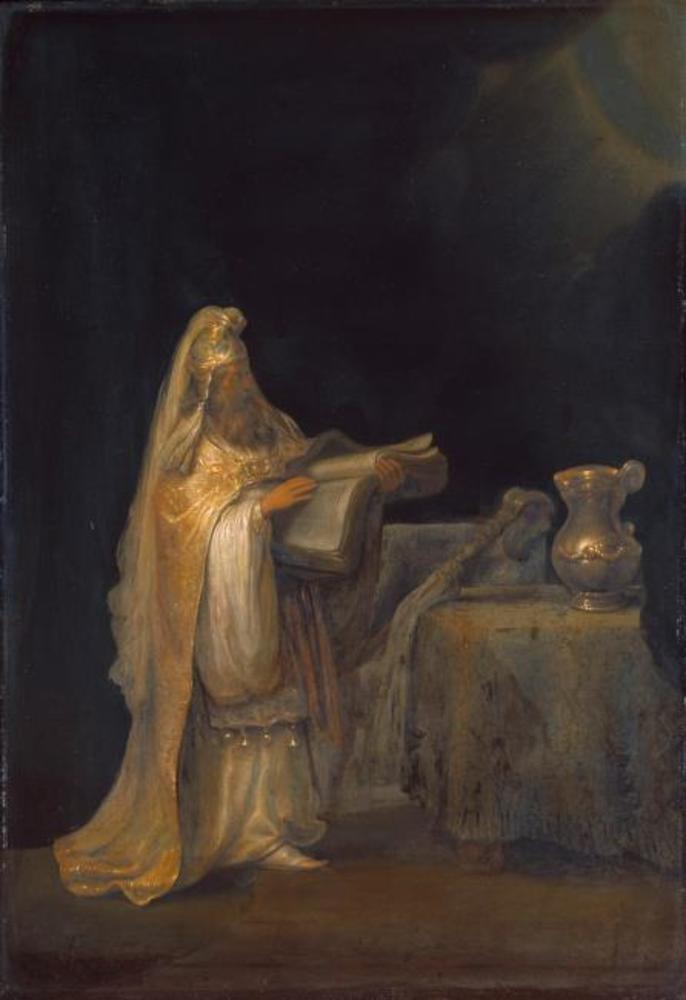
zacharias im tempel bild refers to the biblical figure Zacharias, the father of John the Baptist, in the Temple of Jerusalem. This poignant scene, recounted in the Gospel of Luke (1:5-25), depicts the moment when the elderly priest Zacharias is serving in the Temple and is visited by the Archangel Gabriel. Gabriel announces that Zacharias's barren wife, Elizabeth, will conceive a son who will prepare the way for the Lord. Zacharias, doubting due to his and Elizabeth's advanced age, is struck mute until his son's birth.
This dramatic narrative has captivated artists for centuries, leading to countless visual representations across various eras and mediums:
- Manuscript Illuminations: Early depictions often found in medieval Bibles and prayer books.
- Renaissance Frescoes and Paintings: Master artists like Giotto, Ghirlandaio, and often a focus in cycles of the life of John the Baptist.
- Baroque and Rococo Art: Continuing the tradition with dramatic light and emotional intensity.
- Prints and Engravings: Disseminating these iconic images to a wider audience.
These artworks typically highlight key elements: the angel's majestic appearance, Zacharias's initial shock and disbelief, the temple setting with its architectural grandeur, and often, the implements of his priestly duties. While visual representations of
zacharias im tempel bild are plentiful across digital archives, stock photo sites, and museum collections, truly comprehensive, dedicated articles that intricately analyze these specific images – beyond mere captions or brief descriptions – are not always immediately presented by general search engines. This creates a gap for researchers seeking profound insights and art historical context directly tied to the visual results.
The Curious Case of Chatelain's "Temple": A Different Zacharias
Adding a fascinating layer of complexity to the digital search for "Zacharias in the Temple" is the discovery of an 18th-century publication by a different "Zacharias" altogether. The reference to "Chatelain, Zacharias (pub.),
Tafereel of Befchryving Van Den Prachtigen Tempel der Zang-Godinnen. Amsterdam, 1733," introduces a significant distinction. Here, "Zacharias" is not the biblical priest but an influential publisher named Zacharias Chatelain. His work, which translates to "Tableau or Description of the Magnificent Temple of the Muses," is a historical art publication, a folio adorned with full-sized black and white illustrated plates preceding each chapter.
This "Temple of the Muses" is a celebration of classical goddesses and artistic inspiration, a world away from the solemn sacred space of the Jerusalem Temple. The existence of such a prominent work, linking the name "Zacharias" with "temple" and "illustrated plates" from the 18th century, serves as a crucial reminder of the importance of context in digital research. A search for
zacharias im tempel bild can inadvertently lead to this historical art publication, particularly if the search algorithm broadens its scope to include any "Zacharias" associated with "temple" and "images."
For those interested in delving deeper into this intriguing publication, further exploration can be found in our related article:
Zacharias Chatelain's 1733 Temple of Muses Art: Historic Illustrated Folios. Understanding this distinction is vital for researchers; failing to recognize whether one is studying the biblical figure or the publishing house can lead down entirely different, albeit equally fascinating, research paths. It highlights how a seemingly specific search term can unveil unexpected historical connections that enrich, rather than confuse, the research process once properly contextualized.
Navigating the Digital Labyrinth: From Images to Insights
The core challenge identified in our reference context – "where article text is lacking" – is a common predicament for specialized queries in the digital realm. While platforms like Alamy offer vast repositories of high-resolution images of "Zacharias," these are primarily visual databases designed for licensing and quick viewing, not deep textual exposition. The provided search results for "Zacharias" and "Christian Zacharias" (the latter possibly referring to a musician, further highlighting search ambiguity) explicitly state they contain no "core article text paragraphs" about
zacharias im tempel bild. This highlights a fundamental challenge: how do we bridge the gap between abundant visual assets and comprehensive, contextualized textual analysis?
The Importance of Context in Digital Art Research
The ambiguity inherent in the name "Zacharias" – biblical priest versus 18th-century publisher – underscores the absolute necessity of precise search strategies. Without specific contextual qualifiers, a search engine might prioritize visually similar items or popular entries, regardless of their actual relevance to the researcher's intent. For art historians, curators, and enthusiasts, differentiating between these "Zacharias in the Temple" contexts is paramount. Misinterpretation not only leads to irrelevant results but can also obscure genuinely valuable information.
Bridging the Textual Gap: Tips for Researchers and Content Creators
For researchers seeking more than just images of
zacharias im tempel bild, here are practical tips to unearth deeper textual insights:
- Refine Your Keywords: Instead of just "zacharias im tempel bild," try "Zacharias Annunciation Temple painting," "Giotto Zacharias Temple fresco," "biblical Zacharias art history," or even "Chatelain Temple of Muses 1733" to specifically target your interest.
- Explore Academic Databases: Platforms like JSTOR, Artstor, and university library portals are invaluable for peer-reviewed articles and scholarly texts.
- Visit Museum and Gallery Websites: Major institutions often have extensive collection databases with detailed provenance, artist information, and interpretive texts for their holdings.
- Consult Auction House Archives: As seen with Eldred's condition report for the Chatelain folio, auction houses can provide surprisingly detailed, albeit often brief, descriptions and historical context for specific art objects.
- Reverse Image Search: If you have an image but no text, a reverse image search can lead to source websites that might offer more information, including academic articles or exhibition catalogs.
- Art History Journals: Search through specialized art history journals, both print and digital, which often feature in-depth analyses of specific artworks or themes.
For content creators, the "lacking article text" represents a significant opportunity. There's a clear demand for high-quality, comprehensive articles that:
- Provide detailed art historical context for frequently searched images.
- Analyze iconic artworks, explaining their symbolism, technique, and historical significance.
- Clearly distinguish between homonymous figures or titles, guiding users to the correct information.
- Offer metadata-rich descriptions for visual content, making images more discoverable and understandable.
This proactive approach helps to fill the existing information voids, enhancing the overall digital landscape for art historical research. Further insights into effectively exploring such images can be found here:
Exploring Zacharias in the Temple Images: Insights from 18th-Century Art.
The Value of Primary Sources and Expert Opinion
Even when comprehensive articles are scarce, fragments of information from primary sources or expert opinions can be incredibly valuable. The brief condition report from Eldred's for Chatelain's publication, for example, offers direct insight into the physical nature of the historical document ("Folio. Full-sized black and white illustrated plate precedes each chapter. Overall good condition."). While not an art historical analysis, it provides tangible details about the object itself, which can be a starting point for further investigation into its production, distribution, and reception. Relying on such fragmented yet authoritative sources and piecing them together is often a necessary skill in digital art historical research.
Conclusion
The digital search for
zacharias im tempel bild exemplifies a common challenge in online art research: the disparity between abundant visual content and the in-depth textual analysis needed to truly understand it. Whether one is seeking the biblical narrative of Zacharias in the Jerusalem Temple or the 18th-century "Temple of the Muses" published by Zacharias Chatelain, the journey highlights the need for precise search strategies, contextual awareness, and a willingness to delve beyond initial image-heavy results. The digital realm offers unprecedented access to visual art, but the opportunity remains for comprehensive, well-researched articles to provide the rich narratives and scholarly context that often go missing, transforming isolated images into meaningful insights.