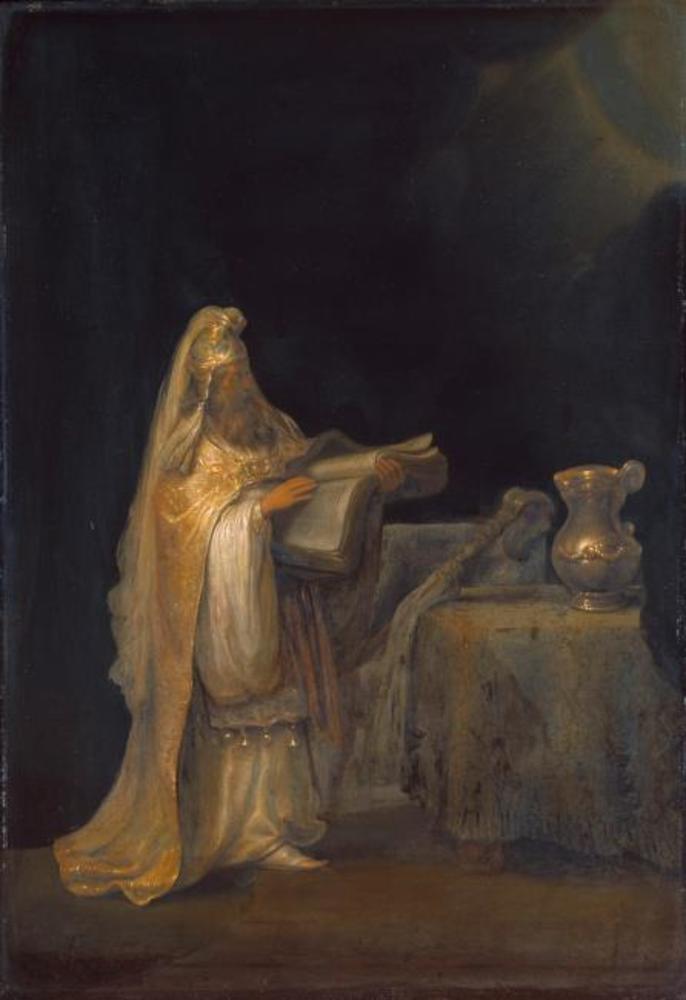
The Allure of 18th-Century "Zacharias im Tempel Bild" and its Historical Context
The narrative of Zacharias in the Temple, a pivotal moment in Christian scripture, has captivated artists for centuries. This dramatic scene, where the priest Zacharias is visited by the angel Gabriel and struck mute for his disbelief, offers rich ground for visual interpretation. While specific examples of a "zacharias im tempel bild" (Zacharias in the Temple image) from the 18th century might require dedicated art historical excavation, understanding the artistic climate and publishing trends of this period provides profound insights into how such a scene would have been conceived and depicted. The 18th century, bridging the grandeur of the Baroque with the emerging lightness of Rococo, was a vibrant era for illustration, often characterized by dramatic compositions, emotional depth, and exquisite craftsmanship in printmaking.
These visual narratives served not only as religious instruction but also as significant artistic statements, reflecting the spiritual and aesthetic values of their time. An 18th-century "zacharias im tempel bild" would have been an integral part of this rich tradition, offering viewers a window into the biblical past through the lens of contemporary artistic sensibilities.
Zacharias Chatelain: A Glimpse into 18th-Century Publishing Excellence
When exploring 18th-century art, particularly illustrated folios, figures like Zacharias Chatelain stand out. As a prominent publisher based in Amsterdam, Chatelain was instrumental in producing high-quality, richly illustrated works that captured the intellectual and artistic spirit of his era. His 1733 publication,
Tafereel of Befchryving Van Den Prachtigen Tempel der Zang-Godinnen (Description of the Magnificent Temple of the Muses), exemplifies the ambition and meticulous detail characteristic of printmaking during this period. This folio, described as featuring "full-sized black and white illustrated plate[s] precede[ing] each chapter," speaks to a culture that valued elaborate visual storytelling alongside scholarly text.
While Chatelain's *Temple of the Muses* focused on classical mythology, the publishing standards, artistic talent, and engraving techniques employed for such a work would have directly informed the production of biblical illustrations. The same mastery of line, composition, and tonal contrast visible in his secular projects would undoubtedly have been applied to religious subjects, including a "zacharias im tempel bild." Artists working for publishers like Chatelain would have been adept at translating complex narratives into compelling visual forms, imbued with the emotional resonance and architectural detail expected of the period. For a deeper dive into the specific artistic output of this publisher, consider reading
Zacharias Chatelain's 1733 Temple of Muses Art: Historic Illustrated Folios.
The condition notes for such historical folios – "overall good condition," with plates "preced[ing] each chapter" – underscore the enduring physical quality of these publications, testament to the craftsmanship involved. These weren't mere ephemeral prints; they were significant, substantial works designed to last and be admired. This context is vital when imagining the potential quality and impact of any "zacharias im tempel bild" created in a similar vein during the same period.
Deconstructing the "Zacharias im Tempel Bild": Iconography and Artistic Choices
The biblical account of Zacharias in the Temple (Luke 1:5-25) is inherently dramatic and visually potent. For an 18th-century artist creating a "zacharias im tempel bild," several key iconographical elements and artistic conventions would have been crucial:
* **The Temple Interior:** Depictions would typically emphasize the sacred space of the Jerusalem Temple. The Altar of Incense would be central, symbolizing prayer ascending to God. Other elements like the Menorah (seven-branched lampstand) or sacred vessels might be included to establish authenticity and reverence. Architectural styles would likely reflect contemporary Baroque or neoclassical tastes, even when illustrating an ancient setting, lending a sense of grandeur and theatricality.
* **Zacharias's Demeanor and Vestments:** Zacharias, as a priest of the order of Abijah, would be shown in full priestly attire, signifying his office and solemn duty. The moment of the angel's appearance is critical:
* **The Annunciation:** Artists often depicted Zacharias in a state of shock or awe, perhaps recoiling or gesturing in disbelief as Gabriel appears. The play of light, a hallmark of 18th-century art, would be used to highlight the divine presence of the angel and Zacharias's reaction.
* **The Muteness:** Alternatively, some works might focus on the aftermath, showing Zacharias mute, gesturing to the people outside who are wondering why he tarries, or returning home unable to speak, emphasizing the consequence of his doubt. This offers a different dramatic opportunity, often through subtle body language.
* **The Angel Gabriel:** Gabriel would be depicted as a luminous, ethereal figure, often descending from above or appearing suddenly, emphasizing his divine messenger status. Wings, robes flowing dramatically, and an expression of solemn authority would be typical.
* **Symbolism:** Incense billowing upwards could symbolize the prayers of the people, while divine light often emanates from Gabriel or a heavenly source, representing revelation and divine presence. The contrast between the mortal, frail Zacharias and the powerful, celestial Gabriel is a core theme.
Artists of the 18th century, influenced by the emotional intensity of the Baroque and the developing elegance of Rococo, would have brought a specific blend of dynamism and refined detail to such a scene. We might expect dramatic diagonal compositions, rich colors (if painted), chiaroscuro effects to heighten emotional impact, and an overall sense of theatricality designed to engage the viewer deeply with the biblical narrative.
Unearthing 18th-Century Artistic Treasures: Challenges and Digital Insights
The quest to find a specific "zacharias im tempel bild" from the 18th century, especially one with extensive textual documentation, can be challenging. As highlighted by digital archive searches, such as those on platforms like Alamy, while "Zacharias hi-res stock photography" or "Christian zacharias hi-res stock photography" might yield numerous visual results, the accompanying "core article text paragraphs" about "zacharias im tempel bild" are often lacking. This isn't necessarily due to a scarcity of images but rather the nature of image databases, which prioritize visual access over deep contextual analysis in their search results.
This observation offers practical advice for researchers and enthusiasts:
* **Broaden Your Keywords:** Beyond "zacharias im tempel bild," consider terms like "Annunciation to Zacharias," "Zacharias and Gabriel," "18th-century biblical illustration," "Baroque religious art," "Rococo sacred art," or specific artist names known for religious works during the period. Searching in other languages (e.g., "Zacharie au Temple," "Zaccaria nel Tempio") can also yield results.
* **Consult Print Collections and Museum Databases:** Major institutions like the Rijksmuseum, British Museum, the Metropolitan Museum of Art, or national libraries often have extensive online catalogs of prints, drawings, and illustrated books from the 18th century. These are more likely to provide detailed provenance and art historical context for each image.
* **Explore Historical Book Scans:** Projects like Google Books or the Internet Archive host digitized versions of 18th-century publications, including bibles, theological treatises, and art folios. You might find a "zacharias im tempel bild" as an engraving within one of these volumes.
* **Engage with Art History Academia:** Academic journals, dissertations, and specialized art history books are invaluable resources for in-depth analysis of specific artistic themes and periods.
* **Understand Database Limitations:** As the Alamy examples suggest, a lack of core article text in search results doesn't mean the art doesn't exist, but rather that the particular search interface isn't optimized for deep textual content. It emphasizes the need to go beyond surface-level image searches. For more on navigating these digital challenges, explore
Digital Search for Zacharias in the Temple: Where Article Text is Lacking.
Appreciating the Enduring Legacy of "Zacharias im Tempel Bild"
Regardless of the specific availability of extensive textual context for every "zacharias im tempel bild," the narrative itself holds immense artistic and theological weight. 18th-century depictions would have contributed to a long tradition of interpreting this powerful story, building upon earlier Renaissance and Baroque masters, yet infusing it with their own unique stylistic flourishes.
For the modern art enthusiast, appreciating an 18th-century "zacharias im tempel bild" involves:
* **Understanding the Narrative:** Familiarity with Luke 1:5-25 enriches the visual experience, allowing viewers to connect the depicted moment with its scriptural foundation.
* **Recognizing Artistic Conventions:** Knowing the characteristics of 18th-century art – its dynamism, emotional expressiveness, use of light, and attention to detail – helps in interpreting the artist's choices.
* **Deciphering Symbolism:** Identifying elements like priestly vestments, the altar, incense, and the angel's appearance allows for a deeper understanding of the theological messages embedded in the artwork.
* **Considering the Medium:** Whether an oil painting, an etching, or an elaborate engraving in a folio, the chosen medium influences the texture, detail, and overall impact of the "zacharias im tempel bild."
These images serve as enduring testaments to the continuous dialogue between faith, art, and human emotion across centuries. They offer not just visual beauty but profound insights into historical interpretations of sacred texts.
Conclusion
The exploration of "zacharias im tempel bild" from the 18th century reveals a fascinating intersection of religious narrative, artistic innovation, and the burgeoning world of print publishing. While specific textual references about particular images might be elusive in some digital archives, the broader context of 18th-century art, exemplified by the meticulous work of publishers like Zacharias Chatelain, allows us to construct a rich understanding of what such powerful depictions would have entailed. These images, full of dramatic lighting, emotional intensity, and intricate detail, served as vital conduits for religious instruction and aesthetic appreciation. By understanding the iconography, artistic styles, and challenges of historical research, we can continue to appreciate the profound legacy of "zacharias im tempel bild" as a significant chapter in the history of sacred art.