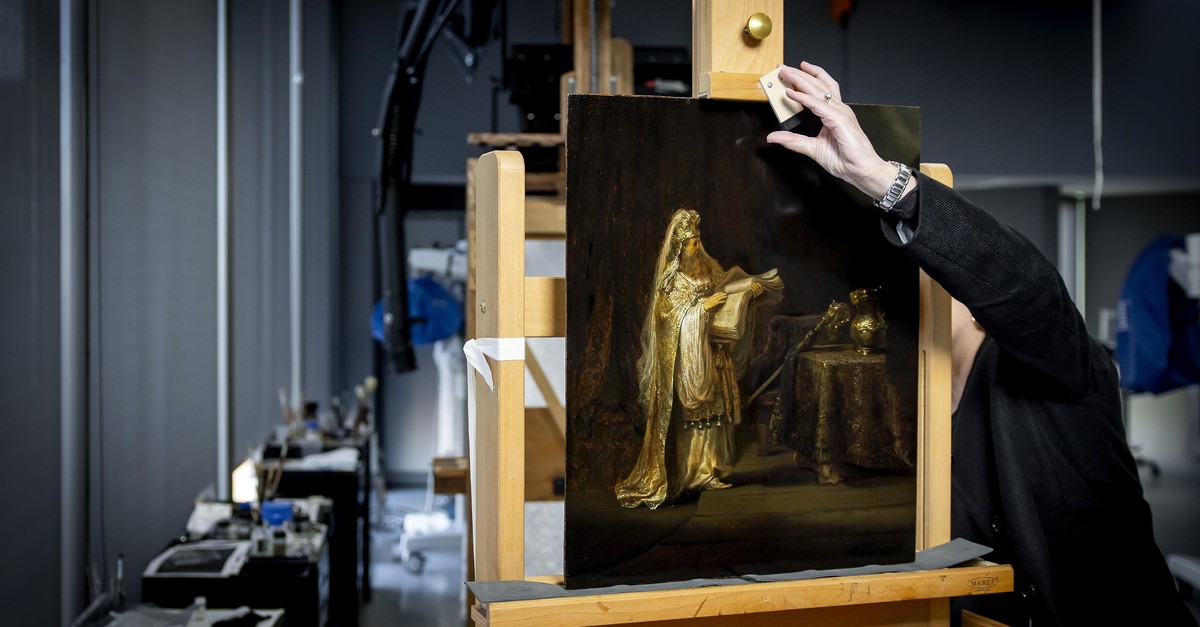
Unveiling Zacharias Chatelain's 1733 Temple of Muses: A Historic Illustrated Folio
Delving into the rich tapestry of 18th-century European art and publishing, one encounters treasures that continue to captivate scholars and collectors alike. Among these, Zacharias Chatelain's magnificent 1733 folio, *Tafereel of Befchryving Van Den Prachtigen Tempel der Zang-Godinnen* – or, "Description of the Magnificent Temple of the Muses" – stands as a testament to the era's intellectual curiosity and artistic prowess. This monumental work, published in Amsterdam, offers a unique window into the classical inspirations and visual aesthetics of its time, presenting a series of stunning illustrations that form the very essence of what one might call a pivotal *zacharias im tempel bild* collection from this period.
Zacharias Chatelain, part of a prominent family of booksellers and publishers in the Netherlands, played a significant role in the dissemination of knowledge and culture during the Enlightenment. His 1733 *Temple of Muses* is not merely a book; it is an experience, an elaborate journey through the mythical abode of the Muses, the Greek goddesses of inspiration in literature, science, and the arts. Each chapter of this grand folio is introduced by a full-sized, black-and-white illustrated plate, meticulously crafted to set the thematic stage. These illustrations are the core "pictures" or "images" that the German keyword *zacharias im tempel bild* refers to, highlighting Chatelain's artistic contribution to depicting classical themes within a grand temple setting. The deliberate placement of these striking images underscores their importance, not just as decorative elements, but as integral components for understanding the narratives and allegories presented within the text. They provided contemporary readers with a vivid visual representation of the classical world, bridging the gap between ancient mythology and 18th-century intellectual pursuits.
The Artistic and Cultural Resonance of 18th-Century Illustrated Folios
The 18th century was a dynamic period for print culture, marked by significant advancements in engraving and publishing techniques. Folios like Chatelain's *Temple of Muses* were prestige items, often commissioned by wealthy patrons and libraries, reflecting a societal value placed on education, classical learning, and fine art. The choice of the Muses as a central theme was no accident; they embodied the very ideals of intellectual and artistic endeavor that the Enlightenment championed. These works were not simply read; they were admired, studied, and discussed, becoming focal points in the salons and scholarly circles of the day.
The illustrations themselves, the very *zacharias im tempel bild* that form the heart of this publication, would have showcased the prevailing artistic styles of the time. While specific details of the artists involved are often researched independently, the aesthetic would likely lean towards the Baroque or early Rococo, with a growing influence of Neoclassicism. Expect dramatic compositions, allegorical figures, classical architecture, and intricate detailing—all designed to evoke the grandeur and spiritual significance of the Muses' temple. These plates served as both instructional tools and sources of aesthetic pleasure, offering visual interpretations of complex mythological narratives.
Understanding these illustrations provides invaluable insights into 18th-century art practices, the patronage system, and the broader cultural landscape. They tell us what was considered beautiful, profound, and worthy of lavish publication. For a deeper dive into the broader context of such artistic works, consider
Exploring Zacharias in the Temple Images: Insights from 18th-Century Art, which further explores the significance of these historical depictions. The legacy of such illustrated folios lies in their ability to transport us back to a time when art, literature, and intellectual pursuit were seamlessly intertwined, encapsulated within the exquisite pages of works like Chatelain’s masterpiece.
A Collector's Insight: Preserving Historic Illustrated Works
For collectors and connoisseurs of antique books and art, a folio like Zacharias Chatelain's *Temple of Muses* represents a significant acquisition. Its historical and artistic value is immense, making its condition a paramount concern. As noted in historical records, the "overall good condition" of such an artifact is crucial, though the absence of a detailed report should always prompt further inquiry. Collecting historic illustrated folios requires a discerning eye and an understanding of what constitutes good preservation.
Here are some practical tips for evaluating and preserving such treasures:
- Examine the Plates: The black-and-white illustrated plates are the soul of the *zacharias im tempel bild* collection. Check for completeness (are all plates present?), foxing (age-related brown spots), water stains, tears, or repairs. Original condition, without heavy restoration, is often preferred.
- Binding Integrity: The binding of a 290-year-old folio tells its own story. Look for a strong, original binding if possible. Minor wear is expected, but major damage to the spine or boards can indicate mishandling or improper storage.
- Paper Quality: 18th-century paper, while robust, can become brittle over time. Look for signs of brittleness, discolouration, or acidic degradation.
- Provenance: A documented history of ownership can add significant value and authenticity to a rare book.
- Professional Condition Reports: Always seek a detailed condition report from reputable experts. This complimentary service should highlight any defects, restorations, or signs of wear consistent with the object's age, providing an informed basis for valuation. Remember, "good condition" is subjective, and professional assessment offers objective insight.
Owning a piece like Chatelain's *Temple of Muses* is not just about possessing a beautiful object; it's about being a custodian of history, preserving the tangible link to a past era of artistic and intellectual endeavor. These works are fragile and irreplaceable, and their careful preservation ensures that the *zacharias im tempel bild* contained within can continue to inspire future generations.
Beyond the Pages: The Enduring Legacy of Chatelain's Vision
The impact of Zacharias Chatelain's 1733 *Temple of Muses* extends far beyond its original publication. It remains a significant artefact for art historians studying 18th-century engraving, for classicists exploring the reception of ancient mythology, and for bibliophiles appreciating the craft of early modern printing. The work serves as a prime example of how art and scholarship converged to create objects of profound cultural value.
In an increasingly digital age, the accessibility of such historic works is improving, yet the context and analysis surrounding them can sometimes be elusive. While high-resolution images of individual plates or entire folios might be found online, comprehensive scholarly articles detailing their significance are not always readily available. This gap underscores the importance of dedicated research and writing to illuminate these past treasures. It reminds us that while the visual aspect—the *zacharias im tempel bild*—is increasingly discoverable, the rich narrative and analytical text often requires a deeper dive. For those encountering such a challenge, the article
Digital Search for Zacharias in the Temple: Where Article Text is Lacking offers further perspective on navigating these digital frontiers.
Chatelain's *Temple of Muses* exemplifies a historical period's fascination with classical antiquity, interpreted through contemporary artistic lenses. Each engraved plate acts as a timeless portal, inviting viewers to engage with the symbolic language and aesthetic sensibilities of a bygone era. The meticulous detail, the allegorical depth, and the sheer ambition of such a project speak volumes about the intellectual curiosity that drove 18th-century publishing.
Conclusion: The Lasting Splendor of Zacharias Chatelain's Temple
Zacharias Chatelain's 1733 *Tafereel of Befchryving Van Den Prachtigen Tempel der Zang-Godinnen* is far more than an antique book; it is a profound artistic and historical statement. Through its full-sized, black-and-white illustrated plates, it provides an exquisite collection of *zacharias im tempel bild* – images from Chatelain's temple—that beautifully articulate the classical themes and artistic trends of the early 18th century. From its meticulously rendered illustrations to its historical significance as a folio publication, this work continues to offer rich insights into the cultural landscape of Enlightenment Amsterdam. For collectors, scholars, and art enthusiasts, Chatelain's *Temple of Muses* remains a shining example of how art, literature, and publishing converged to create enduring legacies, preserving for centuries the magnificent vision of the Muses' sacred abode.